Achieving Hailey Bieber’s signature glass skin look can cost anywhere from $50 to well over $800, depending on whether you opt for her exact luxury products or choose budget-friendly alternatives that deliver similar results. The biggest price drivers? Whether you invest in her go-to brands like Augustinus Bader and Rhode, choose professional treatments like hydrafacials and LED therapy, or build a comparable routine with drugstore staples that focus on the same active ingredients.
The good news for our beauty community: you absolutely don’t need a celebrity budget to recreate that coveted dewy, luminous complexion. What makes Bieber’s skin look so enviable isn’t the price tags, it’s the strategic layering of hydrating serums, consistent barrier protection, and a commitment to skin prep over heavy makeup. These principles work beautifully at every price point.
We’re breaking down the real costs behind her most-talked-about routine, from the $268 luxury cleanser to the $15 drugstore dupe that beauty editors swear delivers nearly identical results. You’ll discover exactly where splurging makes sense (spoiler: a great hyaluronic acid serum is worth it) and where you can confidently save without compromising that glass skin glow. We’ve also mapped out complete routine costs at three different budgets, so you can build your own version based on what works for your wallet.
This guide celebrates the fact that radiant, healthy skin belongs to everyone, regardless of spending power. Let’s explore how to make that famous Bieber glow accessible, achievable, and totally yours.
The Hailey Bieber Skincare Routine: Product Categories and Price Ranges
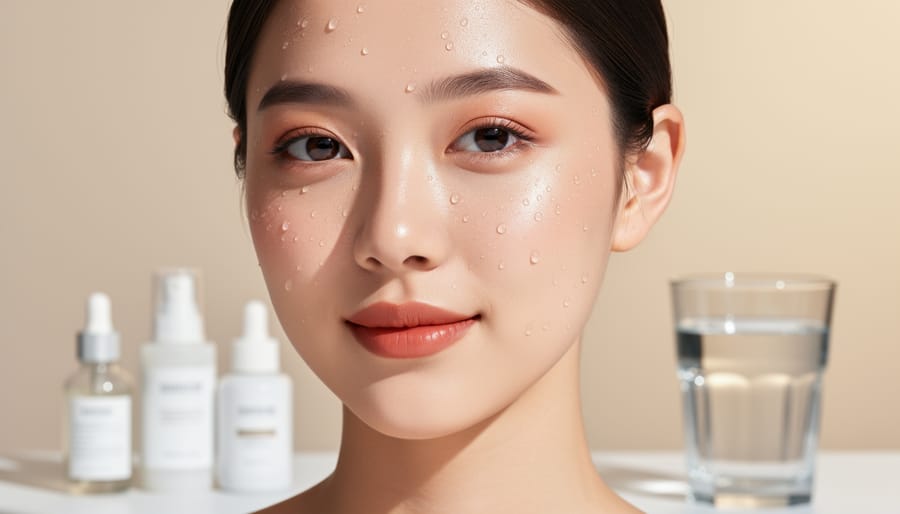
Hailey’s glass skin routine isn’t complicated, it’s built on five essential product categories layered in the proper order of skincare to create that signature dewy, lit-from-within glow. Understanding these categories and their price ranges helps you make smart choices about where to invest and where to save.
The foundation starts with a gentle cleanser that removes makeup and impurities without stripping skin. Next comes a hydrating serum or essence, often peptide or hyaluronic acid-based, to plump and prepare the skin. The moisturizer locks in all that hydration with barrier-supporting ingredients. SPF is non-negotiable for daytime, protecting that glow you’re building. Finally, treatment products like vitamin C, niacinamide, or retinol alternatives target specific concerns and enhance radiance.
| Product Category | Luxury Range | Mid-Tier Options | Budget Alternatives |
|---|---|---|---|
| Gentle Cleanser | $38-$68 | $18-$35 | $8-$15 |
| Hydrating Serum | $65-$185 | $25-$50 | $10-$22 |
| Moisturizer | $52-$150 | $20-$45 | $9-$18 |
| Daily SPF | $38-$72 | $15-$32 | $8-$16 |
| Treatment Products | $70-$195 | $22-$48 | $12-$25 |
What makes this routine work isn’t the price tag on each bottle, it’s the layering strategy and consistency. Hailey’s approach favors lightweight, skin-identical ingredients that build hydration without heaviness. The dewy finish comes from well-hydrated, healthy skin, not necessarily from luxury formulations. Each category serves a specific purpose, and you can achieve similar results across any price tier by focusing on ingredient quality and compatibility with your skin type.
Complete Routine Cost Breakdown: Luxury vs. Budget-Friendly
Luxury Route: Premium Product Investment
Replicating Hailey’s actual routine with luxury products means investing in the premium brands she’s known to favor. A high-end cleanser from brands like La Mer or Augustinus Bader runs $70-$85. For peptide serums, a cornerstone of that plump, dewy look, expect to spend $165-$225 per bottle from lines like SkinCeuticals or Drunk Elephant.
Luxury moisturizers from Bieber-approved brands (think Rhode Skin, Kosas, or premium clean beauty labels) cost $58-$98, while treatment products like exfoliating serums or targeted actives add another $80-$150. A sophisticated mineral SPF from a luxury clean brand will set you back $45-$68.
The upfront investment for a complete luxury routine totals approximately $418-$626. Since most serums and treatments last two to three months with daily use, your monthly replenishment cost averages $140-$210. That’s roughly $1,680-$2,520 annually to maintain the full premium version.
These products often feature higher active concentrations, elegant textures, and sophisticated formulations. The question becomes: do those refinements justify the investment compared to budget alternatives that target the same skin goals?
Budget-Friendly Route: Drugstore Dupes That Deliver
The budget-conscious path to Hailey’s glass skin aesthetic costs roughly $95 to $130 for your complete starter kit, about 70% less than the luxury route. Here’s what that investment gets you:
A gentle gel or cream cleanser from CeraVe or Cetaphil runs $12 to $16 and lasts two to three months with twice-daily use. For serums, The Ordinary’s peptide formulas ($25 to $30) and hyaluronic acid ($8 to $10) deliver the same active ingredients found in luxury versions, just in simpler packaging. Your moisturizer is where you can find serious value: Neutrogena Hydro Boost, La Roche-Posay Toleriane, or Versed Dew Point cost $15 to $25 and contain ceramides and humectants that create that coveted dewy finish.
Treatment products like retinol or vitamin C from brands like The Inkey List or Good Molecules add another $12 to $18, while drugstore SPF from Eucerin, Neutrogena, or Black Girl Sunscreen costs $10 to $15 for broad-spectrum protection.
Monthly replenishment typically runs $35 to $45, making this routine genuinely sustainable long-term while delivering results that rival their expensive counterparts.
What Drives the Price Tag: Understanding Skincare Cost Factors
Ever wondered why one serum costs $12 while another is $180, even when both promise similar results? The answer isn’t always about what works better. Understanding what drives skincare pricing helps you make smarter choices and spot where you’re paying for performance versus prestige.
Several factors shape the price you see on that bottle:
- Ingredient sourcing and concentration, higher percentages of actives and pharmaceutical-grade compounds cost more to produce
- Formulation technology, advanced delivery systems, stabilization methods, and research-backed combinations require significant investment
- Packaging and design, glass bottles, airless pumps, and aesthetically pleasing containers add substantial cost compared to basic tubes
- Brand positioning and celebrity endorsements, luxury brands and influencer partnerships command premium prices regardless of formulation quality
- Retail markup, department stores and specialty boutiques typically add 50-100% to wholesale prices
- Sustainability and clean beauty certifications, ethical sourcing, cruelty-free testing, and environmental initiatives increase production costs
Here’s what really matters for your skin: ingredient quality and concentration. A drugstore retinol at 0.5% can deliver comparable results to a luxury version at the same percentage. The expensive bottle might feel nicer and smell better, but your skin responds to the active ingredients, not the brand name.
Packaging deserves scrutiny too. That gorgeous frosted glass jar with gold accents might cost the brand $8 while a simple plastic pump costs 50 cents, you’re covering that difference. Some packaging innovations genuinely protect ingredients (airless pumps for vitamin C, opaque bottles for retinol), but decorative elements are pure aesthetics.
Marketing budgets heavily influence luxury pricing. When a brand pays a celebrity or invests in glossy campaigns, those costs get passed to you. Interestingly, emerging trends like skin THC absorption and weed beauty ingredients show how innovative formulations can command premium prices based on cutting-edge research rather than just branding.
Focus your budget on products where formulation complexity matters, serums with multiple actives, treatments with patented delivery systems. Save on items where formulation is straightforward, like basic cleansers and moisturizers.
DIY Skincare vs. Store-Bought Products: The Real Trade-Offs
The DIY skincare movement promises significant savings, but the reality is more nuanced when you’re chasing Hailey’s glass skin glow. Some components of her routine translate beautifully to home creation, while others demand professional formulation.
Face masks, gentle exfoliants, and soothing treatments work wonderfully as DIY projects. A hydrating honey and oat mask costs about two dollars per application versus twenty for a luxury equivalent, and you control every ingredient. Simple sugar scrubs, yogurt-based calming masks, and aloe vera treatments deliver genuine results without the markup. These are safe, effective, and genuinely budget-friendly.
But here’s where the line gets drawn: active ingredients require precision. Vitamin C serums need specific pH levels and stabilizers to remain effective. Peptide formulations demand exact concentrations and proper delivery systems, understanding absorption facts reveals why professional chemistry matters. Most critically, dermatologists confirm that homemade sunscreens not effective DIY SPF isn’t just unreliable, it’s genuinely risky. Never compromise on sun protection.
Pros
- Dramatic cost savings on masks, scrubs, and simple treatments.
- Complete control over ingredients and customization for your skin.
- Fresh formulations without preservatives for immediate use.
- Empowering hands-on approach to your skincare routine.
Cons
- Time-intensive preparation and cleanup requirements.
- Short shelf life means frequent batching and waste risk.
- Impossible to replicate professional active concentrations safely.
- Contamination risks without proper preservation and sterile technique.
- No quality testing or stability guarantees.
The sweet spot? DIY your weekly treatment masks and gentle maintenance products while investing in professionally formulated actives, serums, and SPF. A honey brightening mask on Sunday paired with a store-bought vitamin C serum on weekdays gives you both cost control and genuine efficacy. This hybrid approach respects both your budget and your skin’s needs, delivering that coveted glow without compromise or risk.
Smart Shopping Strategies for Glass Skin on Any Budget
Stretching your skincare budget doesn’t mean compromising on that coveted glass skin glow. Strategic shopping turns limited dollars into maximum impact, and the best part? Our community thrives on sharing these wins together.
- Master the Sale Calendar: Major retailers run predictable promotions. Sephora’s twice-yearly sales (spring and fall) offer up to 20% off for members, while drugstores like CVS and Walgreens rotate weekly BOGO deals on skincare. Black Friday, Cyber Monday, and post-holiday clearances can slash prices 30-50%. Mark these dates and stock up on staples.
- Try Before You Commit: Sample sizes and discovery sets let you test expensive serums and treatments without the full-price commitment. Brands like The Ordinary offer sets under $25 that last weeks, while Sephora Favorites boxes deliver $100+ worth of products for around $30. You’ll discover what actually works for your skin before investing in full sizes.
- Prioritize Active Ingredients Over Brands: A $12 drugstore niacinamide serum works the same as a $68 luxury version if the concentration matches. Focus your budget on proven actives, vitamin C, hyaluronic acid, peptides, retinol, rather than packaging and prestige names. Check ingredient lists, not logos.
- Embrace Multipurpose Products: A quality facial oil can replace both serum and moisturizer. Tinted SPF combines sun protection and light coverage. These dual-action heroes cut your routine costs nearly in half while simplifying your morning rush.
- Understand Store Returns: Before trying a new product, check the returns policy. Most beauty retailers accept returns on opened skincare if it causes irritation. This safety net means less financial risk when experimenting with new formulas.
Join skincare communities on Reddit and TikTok where members share current deals, product dupes, and which splurges genuinely deliver results. When we pool our knowledge, everyone’s routine gets better, regardless of budget. The glass skin aesthetic isn’t gatekept by price tags. It’s built through smart choices, consistency, and a community that celebrates every win together.
Building Your Custom Budget-Friendly Glass Skin Routine
Creating your own glass skin routine starts with understanding that the glow comes from healthy skin, not hefty price tags. Begin by assessing your skin’s actual needs rather than trying to replicate Hailey’s exact product lineup. Does your skin lean dry, oily, or combination? What concerns matter most to you right now?
Build your routine in stages instead of overhauling everything at once. Start with the non-negotiables: a gentle cleanser, quality moisturizer, and daily SPF. These three create the foundation for any healthy routine. Once you’ve nailed those basics and given your skin time to adjust, add targeted treatments like a vitamin C serum or niacinamide one at a time.
Set a realistic monthly budget that fits your lifestyle. Whether that’s twenty dollars or two hundred, consistency within your means beats sporadic splurging on luxury products you can’t maintain. Track what you’re spending and what’s actually delivering visible results.
Remember that achieving glass skin is about technique and commitment as much as products. Gentle application, proper hydration from within, adequate sleep, and protecting your skin barrier matter enormously. Many of us in the community have discovered our best skin came not from switching to expensive brands, but from being patient and consistent with affordable staples that work for our unique needs. Your glow is absolutely within reach.
Your Hailey-Inspired Skincare Questions Answered
Can I really get glass skin without spending hundreds of dollars?
Absolutely! Glass skin is about consistency, hydration, and the right ingredients, not the price tag. Many drugstore brands use the same active ingredients as luxury products, just with simpler packaging and less marketing overhead.
What’s the best affordable dupe for Hailey’s peptide serums?
Look for serums from The Ordinary, The Inkey List, or CeraVe that contain peptides, niacinamide, or hyaluronic acid. These ingredients deliver similar hydration and plumping effects at a fraction of luxury prices, often $8-15 versus $60-200.
How long does the average affordable skincare routine last?
A budget-friendly complete routine typically lasts 2-3 months with daily use. Cleansers run out fastest (4-6 weeks), while serums and moisturizers can stretch to 8-12 weeks, making your monthly cost around $20-40 after the initial investment.
Are expensive products actually more effective?
Not necessarily. Price often reflects packaging, branding, and marketing rather than superior formulations. Focus on active ingredient percentages and concentration, many affordable brands offer clinical-strength actives without the luxury markup.
Where can I find reliable reviews of drugstore alternatives?
Reddit’s SkincareAddiction community, dermatologist YouTube channels, and beauty bloggers who specialize in affordable alternatives offer honest comparisons. Some also explore trendy topics like how weed skincare works and other emerging ingredient categories at various price points.
Should I splurge on anything in my routine?
If you’re going to invest in one category, make it SPF and treatment serums with proven actives like retinol or vitamin C. These products require stability and precise formulation, so quality matters more than with basic cleansers or moisturizers.
The beauty of building a Hailey-inspired routine on a budget is that you’re joining a community of smart shoppers who prove daily that radiant skin isn’t about how much you spend. Share your favorite finds, swap dupe recommendations, and celebrate the wins together, because achieving your glow shouldn’t drain your wallet.
Achieving Hailey Bieber’s radiant, glass-skin glow doesn’t require a celebrity bank account or access to exclusive luxury boutiques. As we’ve seen throughout this guide, you can build an effective, results-driven skincare routine at nearly any price point. The real secret isn’t in the label on the bottle, it’s in understanding your skin, choosing the right active ingredients, and staying consistent with your routine.
Whether you invest in a few carefully chosen premium products or create an entirely budget-friendly regimen using drugstore gems, what matters most is that you’re taking care of your skin in a way that works for your life and your wallet. The beauty community thrives when we share our discoveries, swap dupe recommendations, and celebrate each other’s skincare wins at every budget level.
Your path to healthy, glowing skin is uniquely yours. Start where you are, use what you have, and remember that radiant skin is built through consistent care and self-love, not through price tags. Connect with fellow skincare enthusiasts, share what works for you, and embrace the journey. Your glow is already within reach.