
Track your residency status with precision through Global Tax Consulting UK to determine whether you qualify as a non-UK resident for VAT refund purposes—the statutory residence test uses days spent in the UK, ties to the country, and your work location to establish your tax home. Claim VAT refunds on luxury fashion and beauty purchases by requesting tax-free shopping forms at point of sale when departing the UK, ensuring you have all receipts validated by customs before leaving the country to reclaim the standard 20% VAT. Understand your destination country’s duty-free allowances before shopping, as most nations permit travelers to bring limited amounts of fashion items and cosmetics without additional customs charges—typically ranging from €300 to €800 depending on your new home. Register for retailer-specific tax refund schemes like Global Blue or Planet that streamline the VAT reclaim process at major department stores and beauty boutiques, making it effortless to recover taxes on that designer handbag or premium skincare haul.
As a UK expat navigating the beautiful intersection of fashion, beauty, and international tax obligations, you deserve clarity on maximizing your shopping power while staying compliant. Whether you’re treating yourself to that coveted British brand before relocating or building your style collection across borders, understanding tax implications transforms shopping from stressful to empowering, ensuring every purchase reflects both your personal expression and financial wisdom.
Understanding Your Tax Status as a UK Expat
Residency vs. Domicile: What Fashion Lovers Need to Know
Understanding your tax status is essential for smart fashion shopping abroad, and it all starts with knowing the difference between residency and domicile. Think of residency as where you currently live and spend most of your time. If you’ve moved to Paris for work and spend more than 183 days a year there, you’re likely a tax resident of France. Domicile, however, is your permanent home, the country you intend to return to eventually. Many UK expats remain domiciled in the UK even while living abroad for years.
Why does this matter for your fashion hauls? Your residency determines which country’s VAT and customs rules apply when you shop. If you’re a UK expat residing in Spain, Spanish tax laws govern your purchases there. Meanwhile, your domicile status affects long-term considerations like inheritance tax on that designer handbag collection you’re building. For example, buying a luxury coat in your country of residence versus having it shipped from the UK triggers different tax treatments. Understanding both statuses empowers you to plan purchases strategically, ensuring you’re part of a savvy community of fashion lovers who shop smart while staying compliant.
Tax Home: Where Your Shopping Receipts Matter Most
Understanding your tax home is like finding the perfect foundation shade – it’s absolutely essential and affects everything that follows! Your tax home determines which country has the primary right to tax your income and purchases, and for us fashion lovers abroad, this matters more than you might think.
Here’s the empowering news: your tax home isn’t necessarily where you were born or hold citizenship. It’s typically where you have your strongest economic and personal ties – where you live, work, and yes, where you build your fabulous wardrobe! If you’ve genuinely relocated from the UK and established residence elsewhere, your new country usually becomes your tax home.
This distinction is crucial because it influences whether you’ll face UK tax on your global shopping sprees or just your UK-sourced purchases. For most UK expats who’ve made a complete move abroad, you’re generally only taxed by HMRC on UK income, not on that gorgeous Italian handbag you bought in Milan or the French skincare you discovered in Paris.
The key is establishing clear residency status through the Statutory Residence Test, which considers factors like where you spend your days and where your family resides. Getting this right empowers you to shop confidently, knowing exactly where your tax obligations lie.
Smart Shopping Strategies That Save You Money
Duty-Free Shopping: Your Best Friend at Airports
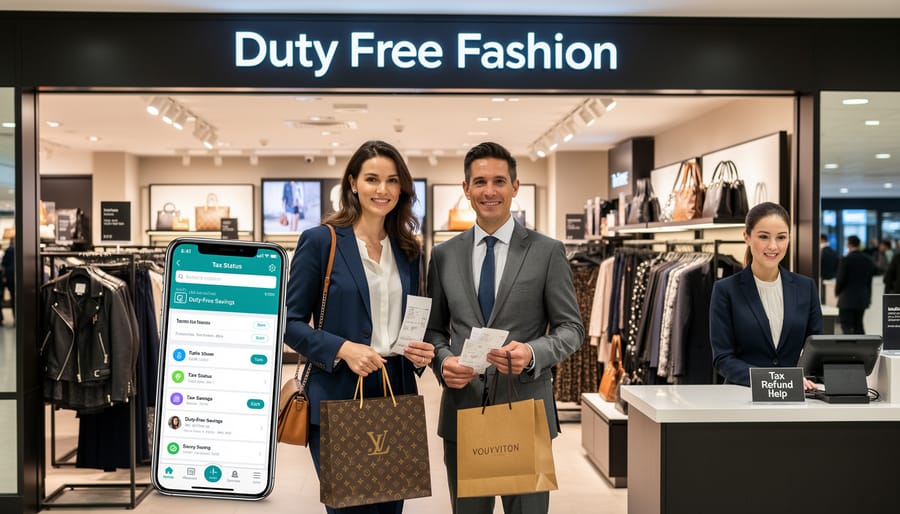
Airports aren’t just transit hubs—they’re treasure troves of tax-free fashion and beauty finds! As a UK expat, duty-free shopping becomes your secret weapon for stocking up on premium cosmetics, signature fragrances, and stylish accessories without the VAT burden. When you shop duty-free, you’re typically saving around 20% compared to high-street prices, making it the perfect opportunity to invest in those luxury beauty essentials you’ve been eyeing.
Here’s your power move: research your destination country’s duty-free allowances before traveling. Most countries permit a generous amount of perfume and cosmetics, but limits vary for accessories and fashion items. Pro tip: keep all receipts organized and know your allowances to breeze through customs confidently. Consider joining airport retailer loyalty programs—they often offer exclusive discounts that stack beautifully with duty-free prices.
Whether you’re traveling for work or pleasure, make duty-free shopping part of your journey. It’s not just about savings; it’s about treating yourself to quality pieces that celebrate your unique style without compromise.
Online Shopping Across Borders: What to Watch For
Shopping across borders opens up a world of fabulous fashion and beauty finds, but it’s essential to understand the tax implications before you click that checkout button. As a UK expat, you’ll want to stay informed about customs duties, VAT, and import taxes to avoid unexpected charges that can quickly turn your dream purchase into a budget nightmare.
First, familiarize yourself with your current country’s duty-free thresholds. Many nations allow items under a certain value to enter without additional charges, but these limits vary significantly. Some countries set this threshold at just €22, while others may be more generous. When ordering those must-have budget beauty products or statement pieces, always check the declared value to ensure you’re within limits.
VAT rates differ dramatically between countries, so research what you’ll owe when items cross borders. Some retailers include these costs upfront, while others leave you to handle them upon delivery. We recommend choosing sellers who offer transparent pricing with all fees included—it makes budgeting so much simpler.
Keep detailed records of all international purchases, including receipts and customs declarations. This documentation becomes invaluable if you need to claim business expenses or resolve disputes. Remember, building a stunning wardrobe shouldn’t come with financial surprises. By staying informed and planning ahead, you can continue expressing your unique style while managing costs effectively and confidently navigating the international shopping landscape.
Personal Allowances and Baggage Rules
When you’re traveling back to the UK with your fabulous fashion finds, understanding your personal allowance is key to avoiding unexpected charges at customs. The good news? You’re part of a community of savvy shoppers who’ve mastered this!
If you’re arriving from outside the EU, you can bring back goods worth up to £390 without paying customs duties or import VAT. This allowance covers everything in your luggage, so those designer heels and luxury skincare products all count towards your total. For alcohol and tobacco, separate quantity limits apply, but let’s focus on what really matters – your beauty haul and wardrobe additions!
Here’s where it gets exciting: you can split purchases across travel companions to maximize allowances. Traveling with friends or family? Work together to stay within individual limits and everyone benefits.
Remember, if you exceed your allowance, you’ll need to declare everything and pay charges on the full value, not just the excess. Keep all receipts organized and accessible – think of it as your shopping journey documentation!
Pro tip from our community: wearing new clothing items or using beauty products before arrival means they’re considered personal effects rather than imports. That stunning jacket you couldn’t wait to wear? Already working in your favor! This collaborative approach to smart shopping keeps more money in your fashion budget where it belongs.
VAT Refunds: Getting Money Back on Your Fashion Hauls
How VAT Refund Schemes Work for Expats
Navigating VAT refunds can feel overwhelming, but trust us—you’ve got this! As a UK expat living abroad, you’re entitled to reclaim VAT on fashion and beauty purchases made during visits back home, and we’re here to walk you through it together.
First things first: eligibility. You qualify for VAT refunds when you’re permanently living outside the UK and can prove your non-resident status. The items you purchase must be leaving the country with you within three months, making this perfect for those gorgeous wardrobe updates or skincare hauls during your trips home.
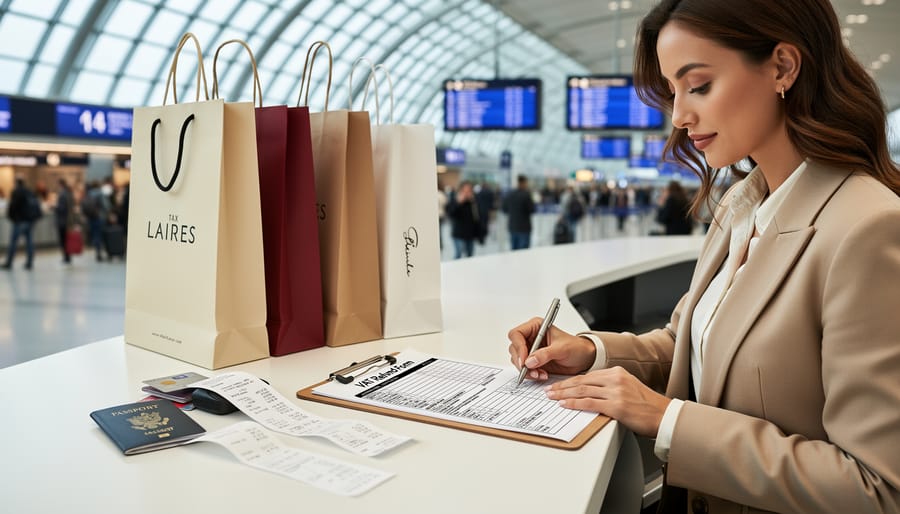
Here’s what you’ll need to claim your refund successfully. Keep all original receipts showing VAT-inclusive prices—these are your golden tickets. Request a VAT refund form from participating retailers at the point of purchase, and don’t forget your passport or proof of residence abroad. When departing the UK, present your unopened purchases, receipts, and completed forms at customs for validation before checking luggage. This step is crucial, so arrive at the airport with extra time.
The refund process typically takes 30 to 60 days, with funds returned via credit card, bank transfer, or sometimes cash at airport refund desks. Minimum purchase thresholds vary by retailer, usually starting around £30, so consider consolidating your beauty and fashion finds into fewer shopping trips to maximize your returns.
Remember, you’re part of a savvy community of expats making the most of every shopping opportunity. Your style journey deserves these savings!
Digital Receipts and Tax-Free Apps Worth Using
Technology has transformed how we reclaim our hard-earned VAT refunds, and there’s a whole community of savvy shoppers benefiting from these brilliant digital tools. Apps like Wevat and Planet have revolutionized the tax-free shopping experience, allowing you to snap photos of receipts and submit claims directly from your phone—no more paperwork queues at the airport! These platforms digitize the entire process, tracking your purchases and ensuring you don’t miss out on refunds you deserve.
For our fashion and beauty lovers who shop across multiple countries, apps like Refundit consolidate claims from various retailers into one simple dashboard. You’ll receive notifications when refunds are processed, and many integrate with digital wallets for faster payment. Some retailers now offer instant tax-free shopping at checkout through their own apps, crediting your account immediately rather than making you wait weeks.
The best part? These tools are designed for everyone, regardless of tech experience. Most feature intuitive interfaces and customer support teams ready to help. Before your next shopping adventure, download a couple of these apps and create your profiles. You’ll join thousands of expats who’ve discovered that claiming VAT refunds can be effortless, empowering you to invest those savings back into the pieces that make you feel fabulous.
Fashion Business Owners Abroad: Deductions You Shouldn’t Miss
When Your Wardrobe Becomes a Business Expense
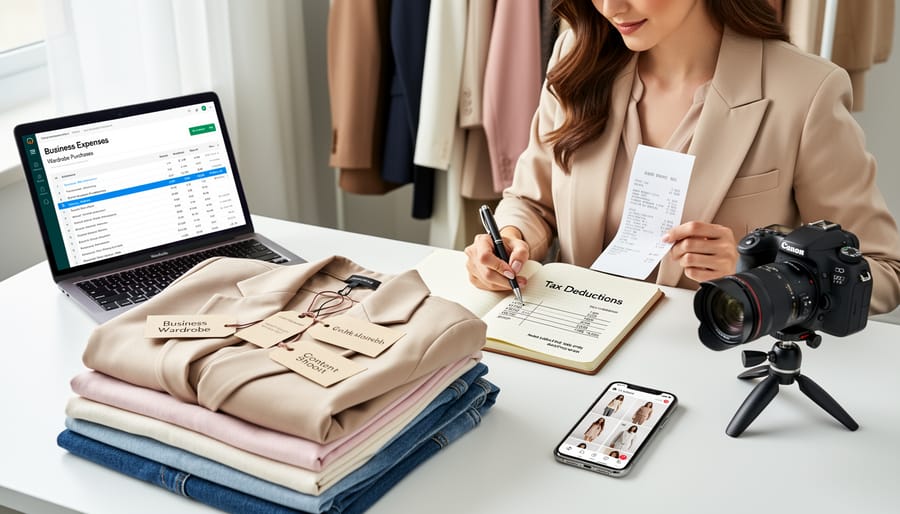
If you’re building a career in fashion content creation, styling, or beauty services, your fabulous wardrobe might actually qualify as a legitimate business expense. Understanding what you can deduct helps your creative business thrive while staying compliant with HMRC requirements.
The golden rule is simple: clothing and beauty products must be exclusively for business use. Think costume pieces for photoshoots, specific items worn only during client consultations, or makeup purchased solely for tutorial content. Your everyday jeans and trainers won’t make the cut, even if you occasionally wear them to networking events.
Documentation is your best friend here. Keep detailed records showing how each purchase connects to your business activities. Photos of items in use during shoots, receipts clearly labeled with project names, and a spreadsheet tracking business-only wardrobe pieces create a solid foundation for your claims.
Beauty professionals have clearer pathways for deductions. Products used in client services, tutorial demonstrations, or testing for reviews qualify straightforwardly. Content creators should maintain separate kits for professional and personal use to avoid complications.
Remember, HMRC reviews these deductions carefully. When claiming fashion and beauty expenses, ask yourself: would this item exist in my life without my business? If the answer is yes, it’s probably not deductible. Building your business wardrobe strategically means investing in distinctive pieces that serve your professional image while meeting tax requirements.
Record-Keeping That Protects Your Creative Business
Keeping brilliant records isn’t just about ticking boxes—it’s about empowering your creative business and protecting the work you love. When you’re investing in fashion and beauty pieces that serve your professional needs, proper documentation becomes your best ally come tax time.
Start by creating a simple system that works for your lifestyle. Snap photos of every receipt immediately after purchase, or better yet, request digital receipts whenever possible. Store these in a dedicated folder on your phone or cloud service, organised by month and category. This small habit can save you hours of stress later and ensures nothing slips through the cracks.
For each business-related purchase, jot down how you used it professionally. Did that stunning blazer appear in three client consultations? Note it. Did those beauty products feature in your content creation? Document it. These details strengthen your claim and demonstrate genuine business use to tax authorities.
Consider using expense-tracking apps designed for creative entrepreneurs—many allow you to categorise purchases, attach receipts, and generate reports with just a few taps. This collaborative approach between technology and your organisational skills makes tax season far less daunting.
Remember to keep records for at least six years, as UK tax regulations require. Think of this as building a protective archive of your professional journey. Your meticulous record-keeping doesn’t just support tax deductions—it celebrates every investment you’ve made in building your fashion and beauty business with confidence and clarity.
Country-Specific Considerations for Popular Expat Destinations
EU Countries: Post-Brexit Shopping Changes
Brexit has reshaped the shopping landscape for our community of UK expats living across Europe’s fashion capitals. If you’re based in Paris, Milan, or Berlin, you’ll now navigate customs duties and VAT differently when shopping for your favorite pieces. The exciting news? Many European retailers have adapted their systems to make your shopping experience smoother than ever.
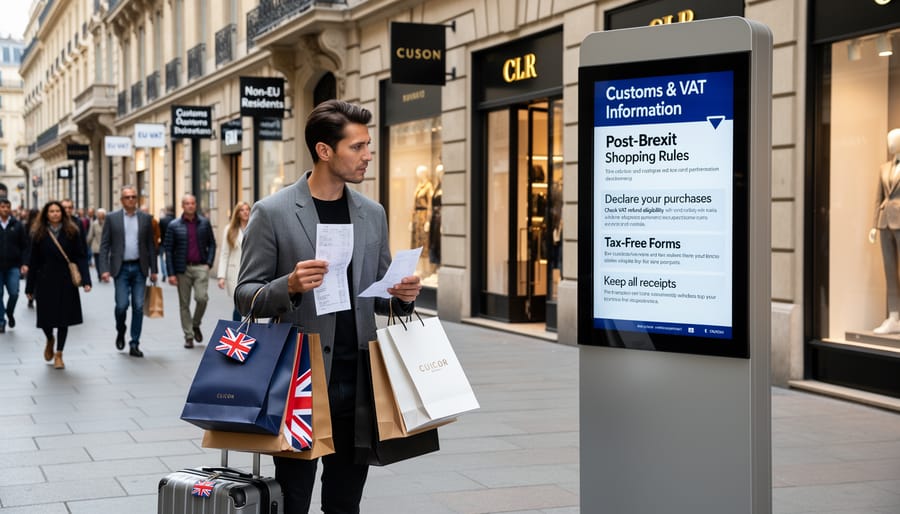
When purchasing fashion and beauty items in EU countries, you’re no longer automatically entitled to VAT refunds as you were pre-Brexit. However, if you’re shipping items back to the UK or another non-EU location, you can still claim these refunds at participating stores. Keep those receipts and allow extra time at airports for customs processing.
For those of you discovering new fashion brands in European boutiques, remember that importing purchases back to the UK may trigger customs charges once your shopping exceeds the personal allowance threshold. The empowering approach is staying informed about current thresholds and planning your splurges accordingly. Many expats find joining local shopping communities helpful for sharing real-time advice about navigating these changes while building connections with fellow fashion lovers abroad.
UAE, Asia, and Other Tax-Friendly Destinations
Shopping in tax-friendly destinations like the UAE, Singapore, and Hong Kong opens up incredible opportunities for fashion and beauty lovers! Many of these jurisdictions offer zero or minimal sales tax, making luxury purchases significantly more affordable. Dubai’s shopping festivals and tax-free malls are legendary among our global style community, whilst Asian beauty havens let you explore innovative skincare and cosmetics at competitive prices.
However, remember that returning to the UK comes with responsibilities. You’re entitled to a personal allowance of £390 when arriving from outside the EU, covering combined goods. Anything above this threshold requires customs duty and VAT declaration. Fashion enthusiasts should note that luxury handbags, designer clothing, and high-end cosmetics can quickly exceed this limit, so keep all receipts organized and be transparent at customs.
Some savvy shoppers spread purchases across multiple trips to maximize their allowances, whilst others factor UK import duties into their budget planning. The key is enjoying these tax-friendly shopping experiences whilst staying compliant. When you discover that perfect statement piece or cult beauty product abroad, calculate the total cost including potential UK duties to make informed decisions that empower your shopping journey without unexpected surprises.
Common Mistakes That Cost Expat Shoppers Money
Let’s talk about some common pitfalls that can unexpectedly impact your fashion and beauty budget as a UK expat, and more importantly, how to sidestep them with confidence.
One scenario we see often involves luxury beauty purchases. Picture this: you’ve found the perfect designer perfume while visiting family in the UK, planning to claim the VAT refund at the airport. But here’s the catch—you opened it to test the scent before your flight. Unfortunately, customs officials typically won’t process refunds on used items, even if you’ve only spritzed once. The solution? Keep everything sealed until you’ve cleared customs and received your refund confirmation.
Another costly mistake happens when fashion lovers exceed their home country’s duty-free allowances without realizing it. Many expats don’t know that multiple smaller purchases from different retailers still count toward your total allowance. That capsule wardrobe you thoughtfully curated across several boutiques might push you over the threshold, triggering unexpected customs charges. Track your spending collectively, not per store, to stay within safe limits.
Business-related fashion purchases present their own challenges. Perhaps you’re a style blogger or work in a creative field where your wardrobe is genuinely essential. Many expats miss valuable tax deductions because they assume personal items can’t qualify as business expenses. The key is maintaining meticulous documentation—receipts, photos of items worn for work events, and detailed records of how each piece serves your professional needs.
Finally, timing matters more than you might think. Shopping during your home country’s tax year-end might mean missing deduction opportunities if you don’t file promptly. Planning your fashion hauls strategically around tax deadlines helps maximize your savings while keeping everything properly documented.
Shopping for fashion and beauty across borders as a UK expat doesn’t have to feel overwhelming. Armed with the right knowledge about tax obligations, VAT refunds, and customs regulations, you can indulge in your passion while staying financially savvy. Remember that tax rules evolve, so keeping yourself informed through official channels and expat communities ensures you’re always making the smartest choices for your wardrobe and beauty collection.
We believe fashion is for everyone, and that includes the freedom to shop confidently wherever life takes you. Whether you’re building a capsule wardrobe in Paris, discovering indie beauty brands in Berlin, or scoring vintage treasures in Tokyo, understanding the tax implications means more money for the pieces you truly love.
Your experiences matter, and we’d love to hear from you. Have you discovered brilliant tax-saving strategies while shopping abroad? Found amazing duty-free deals or navigated tricky customs situations? Share your stories and tips with our community. Together, we can make cross-border shopping easier and more accessible for every expat fashion lover. Here’s to shopping smart, looking fabulous, and building a global community of informed, empowered style enthusiasts.