
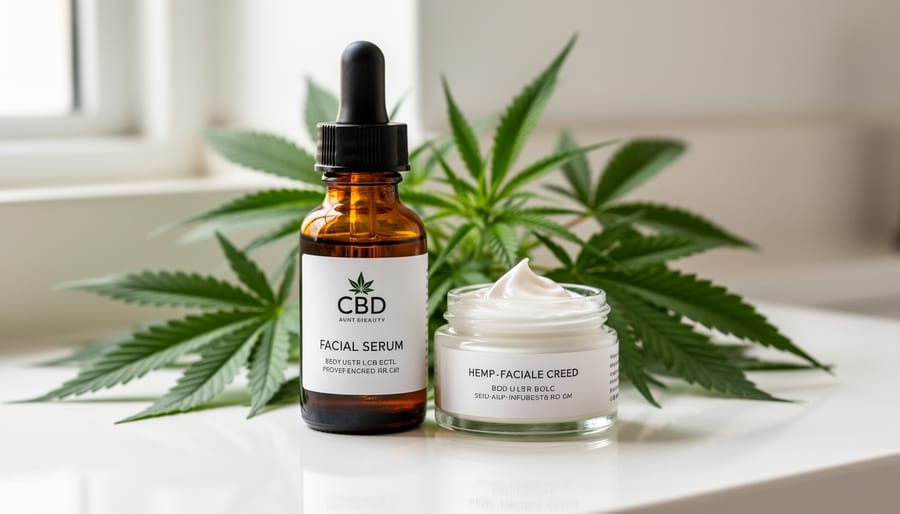
“3 THC” isn’t actually a thing in the beauty or wellness world. If you’ve spotted this term on a product label or in your search bar, you’re likely seeing a typo, autocorrect mishap, or confusion around the various cannabinoid compounds that have become buzzy beauty ingredients in recent years.
Let’s clear this up right away: the cannabinoid variants you’ll actually encounter in your skincare and beauty routine are Delta-8 THC, Delta-9 THC, and Delta-10 THC, along with CBD (cannabidiol), which has become incredibly popular in everything from serums to bath bombs. These compounds come from cannabis and hemp plants, and each offers different properties that brands are harnessing for their anti-inflammatory, antioxidant, and skin-soothing benefits.
Understanding what these ingredients really are matters because cannabinoid-infused beauty products are everywhere in 2026. From face oils promising calm, glowing skin to body lotions designed to ease tension, these formulas are showing up in mainstream beauty aisles and indie brand collections alike. But with all the Delta-this and cannabinoid-that terminology floating around, it’s easy to get confused about what you’re actually putting on your skin.
This guide will walk you through the real cannabinoid terms you need to know, explain how these ingredients actually work in beauty products, identify which types are commonly used and why, and answer the practical questions that matter when you’re deciding whether to add them to your routine. We’re building clarity together so you can make informed, empowered choices about the products you bring into your self-care ritual.
Understanding THC: What It Actually Means
THC stands for tetrahydrocannabinol, the naturally occurring compound in cannabis plants that causes psychoactive effects, in other words, the chemical responsible for making people feel high. When you see cannabinoid ingredients listed on beauty products in 2026, however, you’re rarely encountering this psychoactive form. Instead, brands typically use non-psychoactive relatives or derivatives that offer skin benefits without altering your mental state.
Let’s clear up the confusion around cannabinoid terminology you’ll actually encounter in beauty formulations:
- Delta-9 THC
- The primary psychoactive cannabinoid in cannabis plants, heavily regulated and rarely used in mainstream beauty products due to legal restrictions. When present, it’s typically in trace amounts below the legal threshold.
- CBD (Cannabidiol)
- A non-psychoactive cannabinoid known for anti-inflammatory and soothing properties, widely used in skincare, haircare, and cosmetics. This is the ingredient you’ll most often see featured prominently on product labels.
- Hemp Extract
- Derived from industrial hemp plants containing minimal THC (under 0.3% in most jurisdictions), these extracts provide cannabinoids and beneficial compounds without psychoactive effects. Commonly used in serums, moisturizers, and body care.
- Hemp Seed Oil
- Pressed from hemp seeds and containing no cannabinoids at all, this nourishing oil is rich in omega fatty acids and often confused with CBD or hemp extract. It’s a completely separate ingredient valued for its moisturizing properties.
Now, about “Delta-3 THC”, this isn’t a recognized cannabinoid in established science or beauty formulations. You might have encountered a typo, autocorrect error, or confusion with other Delta variants like Delta-8 or Delta-10 THC, which do exist but remain uncommon in beauty products. The cannabinoid landscape can feel overwhelming with all these numbered variants and acronyms, but the beauty industry primarily sticks to CBD and broad-spectrum hemp derivatives that keep formulations legal, safe, and non-psychoactive.
What matters for your beauty routine is distinguishing between the psychoactive THC (which you won’t find in conventional products) and the therapeutic cannabinoids that brands are actually formulating with. The goal is skin benefits, not a buzz.
How THC and Cannabinoids Work in Beauty Products
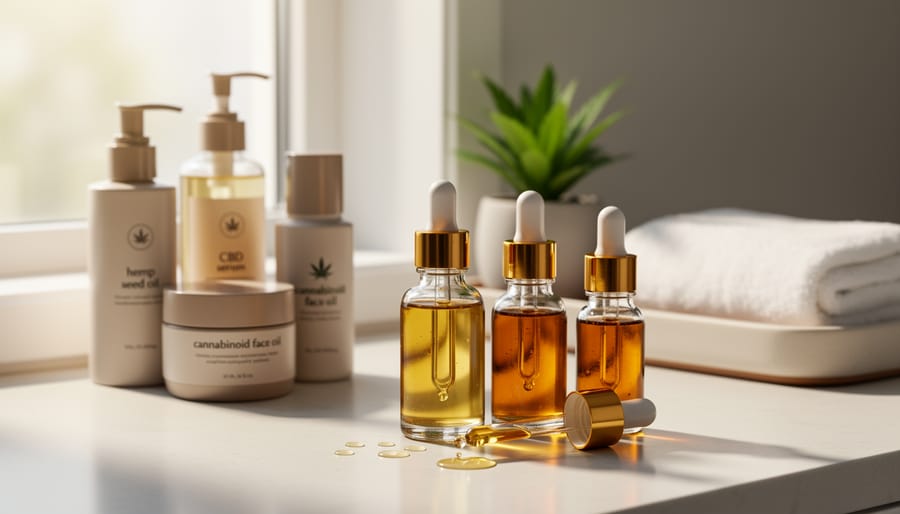
Your skin has an endocannabinoid system (ECS) built right in, complete with receptors that respond to cannabinoid compounds. When you apply a CBD serum or hemp-infused moisturizer, these cannabinoids bind to those receptors in the outer layers of skin, potentially triggering anti-inflammatory responses, calming redness, and supporting the skin’s natural barrier function. This interaction happens locally, on the surface and in the dermal layers, which is why cannabinoid beauty products can soothe irritation and provide antioxidant protection without entering your bloodstream in significant amounts.
The crucial difference comes down to which cannabinoid you’re working with. Psychoactive THC, the Delta-9 variant that produces a high when consumed, is heavily regulated and rarely appears in beauty formulas. Even when it does (in certain legal markets), topical application doesn’t produce intoxication because skin absorb THC in trace amounts that don’t reach the bloodstream in psychoactive concentrations. What you’ll actually find in your face cream or body lotion is CBD, which is non-psychoactive and derived from hemp, or hemp seed oil, which contains beneficial fatty acids and nutrients but no cannabinoids at all.
Understanding how weed beauty works means recognizing that the ingredients do their job through localized interaction with your skin’s receptors, not by getting you high. CBD and other non-psychoactive cannabinoids offer the skin-soothing, antioxidant properties people seek, calming sensitivity, fighting free radicals, and supporting hydration, while staying entirely legal and safe for daily use. Hemp seed oil, meanwhile, nourishes with omega fatty acids and vitamins, functioning more like a traditional botanical oil than a cannabinoid treatment. The cannabinoid category in beauty is diverse, but the formulas designed for your skincare routine stick to the non-intoxicating options that deliver results you can see and feel on your skin.
Types of Cannabinoid Ingredients in Beauty
CBD isolate is exactly what it sounds like: pure cannabidiol with all other compounds stripped away. You’re getting a single cannabinoid, no THC whatsoever, and no terpenes or flavonoids from the original plant. Brands favor it for consistency, every batch delivers the same concentration, making formulation predictable. It’s ideal if you want cannabinoid anti-inflammatory benefits without worrying about trace amounts of anything else showing up on a drug test or causing legal complications.
Broad-spectrum CBD keeps more of the plant intact. You get CBD plus other cannabinoids, terpenes, and plant compounds, but the THC is removed entirely. This creates what’s called the entourage effect, where multiple cannabinoids work together for enhanced benefits. Many beauty brands lean toward broad-spectrum formulas because they offer richer botanical profiles while staying THC-free and legal across most markets.
Full-spectrum hemp extract contains everything the plant offers, including up to 0.3% THC in the US (legal threshold). That tiny amount won’t produce psychoactive effects, but it does contribute to the entourage effect. Some users swear the full plant profile delivers superior results for inflammation and skin repair, though product legality varies by region.
Here’s a quick breakdown of what you’ll encounter:
- CBD isolate: Pure cannabidiol, no other cannabinoids, zero THC, maximum predictability in formulations
- Broad-spectrum CBD: Multiple cannabinoids and terpenes with THC removed, balances potency and legal safety
- Full-spectrum hemp extract: Whole plant profile including trace THC (under 0.3%), offers complete entourage effect
- Hemp seed oil: Pressed from seeds with no cannabinoids, rich in fatty acids and nutrients for hydration
- THC-infused products: Rare, only available in regulated cannabis markets, may contain Delta-9 THC for specific therapeutic claims
Hemp seed oil is fundamentally different. It’s pressed from cannabis seeds and contains zero cannabinoids, no CBD, no THC. What it does offer is omega fatty acids, vitamins, and deeply nourishing properties for dry skin and hair. Labels sometimes blur the distinction, so check ingredient lists carefully.
Actual THC-infused beauty products exist only in legal cannabis markets like California, Colorado, or certain Canadian provinces. These formulas intentionally include Delta-9 THC for targeted effects, and they’re sold through licensed dispensaries with strict age verification. You won’t find them in mainstream beauty retailers, and legality depends entirely on local cannabis laws, not just hemp regulations.
Where You’ll Find THC and Cannabinoids in Your Beauty Routine
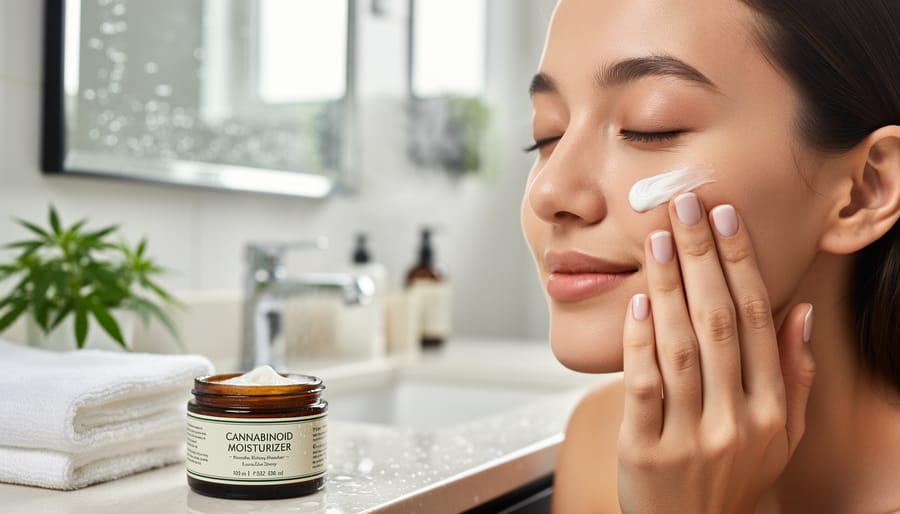
You’ll spot cannabinoid ingredients across nearly every category in your beauty lineup today. CBD-infused moisturizers have become fixtures on skincare shelves, promising calming relief for sensitive or inflamed skin. Face serums often blend CBD isolate or broad-spectrum hemp extract with hyaluronic acid or vitamin C for targeted treatment. Facial oils lean heavily on hemp seed oil for its omega fatty acids, though some premium formulas incorporate CBD for extra anti-inflammatory punch.
Lip balms and body lotions tap into cannabinoids for hydration and soothing benefits, look for CBD content listed in milligrams on the label, typically ranging from 50mg to 500mg per container. Hair masks and scalp treatments use hemp derivatives to nourish dry strands and calm irritation, while bath salts and soaks frequently feature CBD for a spa-like wind-down experience.
Makeup with cannabinoids is emerging too: foundations, primers, and tinted balms marketed for their skin-calming properties alongside coverage. Even mascara and eyeliner formulas occasionally include hemp seed oil for conditioning.
When scanning labels, check the ingredient list for specifics: “cannabidiol,” “hemp seed oil,” “cannabis sativa seed extract,” or “full-spectrum hemp extract” tell you what’s actually inside. Potency matters for CBD products, higher milligram counts generally mean more noticeable effects, though formulation quality matters just as much as quantity.
Choose based on your comfort level and local laws. CBD and hemp seed oil are widely legal and non-psychoactive. Products containing any Delta-9 THC remain restricted in many regions, so verify regulations in your area before purchasing. When in doubt, start with straightforward CBD or hemp seed formulas, they deliver real benefits without legal ambiguity or psychoactive concerns.
Common Questions About THC in Beauty
The most common concerns about cannabinoid beauty products come down to safety, legality, and what you’re actually putting on your skin. Here’s what you need to know.
Will THC beauty products make you high?
Topical cannabinoid products don’t enter your bloodstream in meaningful amounts, so you won’t experience psychoactive effects from applying them to your skin. Most beauty products use CBD or hemp derivatives rather than THC anyway.
Are these products legal where I live?
CBD and hemp-derived products are legal in most regions, but THC-containing beauty items follow local cannabis laws. Check your area’s regulations and the product’s cannabinoid profile before purchasing.
How do I know what’s actually in the product?
Look for third-party lab testing certificates (often called COAs) that verify cannabinoid content and confirm the absence of contaminants. Reputable brands make these reports available on their websites or product pages.
What’s the difference between CBD and THC in skincare?
Both offer anti-inflammatory and antioxidant benefits, but THC is psychoactive when ingested and heavily regulated, while CBD is non-psychoactive and widely available in beauty formulations.
As for whether will you get high from using these products, the answer is no. Your skin absorbs cannabinoids differently than your digestive system or lungs do. When you apply a cannabinoid-infused serum or cream, the active compounds interact with receptors in your skin tissue without reaching your bloodstream in concentrations high enough to produce psychoactive effects.
Safety across skin types is generally strong for cannabinoid ingredients. CBD, hemp seed oil, and other non-psychoactive derivatives are well-tolerated by most people, including those with sensitive skin. That said, always patch-test any new product, and pay attention to the full ingredient list beyond just the cannabinoid content. If a formula contains potential irritants like high percentages of essential oils or harsh preservatives, those could cause reactions regardless of the CBD or hemp content.
Now that you’ve untangled the confusion around “3 THC” and learned what cannabinoid ingredients actually do in your beauty routine, you’re ready to shop, experiment, and glow with confidence. There is no “Delta-3 THC” on ingredient lists, what you’ll find are CBD, hemp seed oil, and occasionally Delta-9 THC in markets where it’s legal. Understanding the difference between psychoactive compounds and their soothing, non-intoxicating cousins puts you in control of what goes on your skin and in your hair.
The cannabinoid beauty category keeps expanding, and that means more formulas, more benefits, and more room for your voice in the conversation. Have you found a CBD serum that changed your skin? A hemp-infused hair mask that brought your curls back to life? Drop your favorites in the comments and let’s build a community resource together. Your experiences help others navigate this growing world with clarity and excitement, turning every product choice into an informed, empowering step toward the best version of your beauty routine.


